
Almost 60 years after Truman Capote, on a mission from the New Yorker, published his defining masterwork, In Cold Blood, in 1966, a copy borrowed from a friend landed in my hands and was thoroughly devoured and enjoyed by me in that almost perverse fascination so many people have for the ‘true crime’ genre. The book is a detailed account, complete with long interviews, excerpts, and frightfully eloquent reconstructions of events, with (and from) an eclectic variety of people, detailing the savage murder of a wealthy farming family by two young criminals: the seemingly unidentifiable and elusive Richard Eugene Hickock and Perry Edward Smith, and the detectives working to identify and catch these perpetrators.
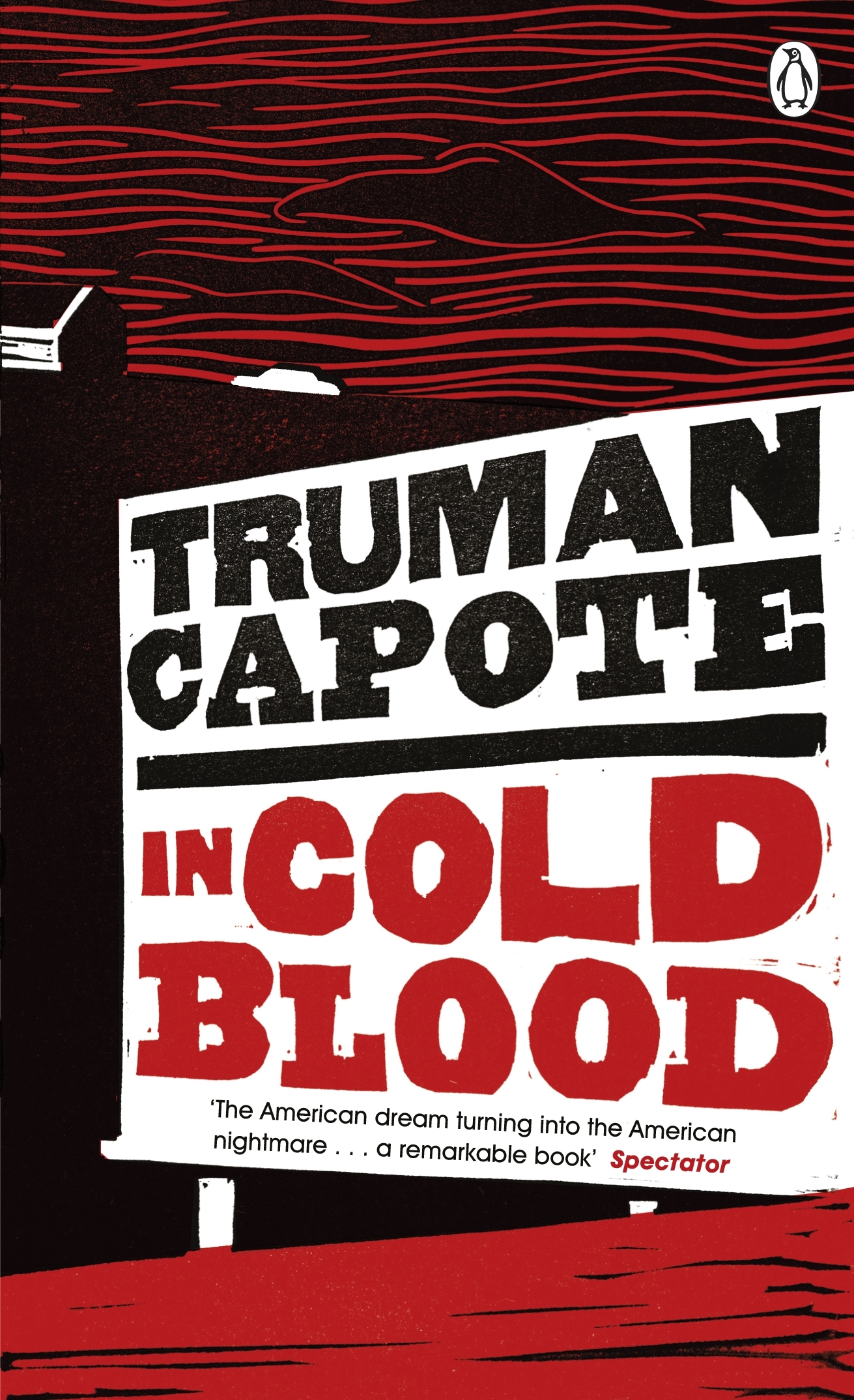

As Agent Al Dewey is serenaded into the small town of Holcomb, Kansas, by four brutalised bodies and only two footprints worth of evidence, the journey to catch the Clutter Killers seems improbable to the optimistic (and closer to impossible to the pessimistic) among the members of law enforcement assigned to the case. But for the reader, that mystery is gone. I knew going into the book that Hickock and Smith would be caught and would be executed, mostly because of the prestige of the book, but also Capote’s reason for writing—to the majority of readers we know there is resolution (of some sort of legal justice) because why would a piece of journalism heavily detail and spend time with an unsolved case, not dissimilar to hundreds that had happened around the country? That is precisely why I feel Capote’s book works so well. When there is no question of ‘’if’—both ‘if’ the perpetrators were guilty of and ‘if’ they were brought to justice for their crimes—the most satisfying questions of ‘how’ and ‘why’ take full focus. And Capote answers these questions with wonderful eloquence and detail in a way that just scratches the brain perfectly. With every aspect of Smith and Hickock’s personal backgrounds being explored in revealing accounts, every member of the community having a chance to provide meaningful (and often extremely shocked) thoughts, and every twist and turn of the many stolen cars the men take detailed—all in the inevitable loom of the hangman’s noose.
Capote meticulously journals the escapades of Hickock and Perry, as the pair drift around and out of the country, writing phoney checks and hitching rides. Meanwhile, A.A. Dewey and others work towards solving the case, travelling across America and enquiring of various people, from relatives to hotel clerks to convicts. The genius of Capote’s writing is that he knows exactly what to cut, trim, and leave as is. Long, sweeping recollections of childhood and character find their meaningful place in the book as quotes from different interviewees, ranging from snippets to monologues—and all intertwined with their various (often firm) opinions on the matter, of course—give the book an undefiable gravity and verisimilitude. The transparency of the events and the almost unknowingly artistic conversations from various members of various communities and standings work perfectly in the book and feel almost too good to be true, too perfectly fitting the narrative frame, making a piece of journalism, a documenting of a crime, feel like brilliant fiction writing. But it’s not too good to be true—it is true! And that is the thing that impresses me so much about this book; a crime story like this would be 1 in a million if it were fiction—literally another entry onto the endless library shelves—but the fact that it is a true story, this did happen, and these people are not dark conjurings of Capote’s imagination but of real life makes for a consistently chilling and interesting book.
Endless pages of attempted diversions and escapes, long interrogations with detectives and lawyers, and personal reckoning while imprisoned confront the two killers, who end up facing a jury of their peers on charges of four counts of murder each. Capote details a gripping trial and highlights the politics of the issues of capital punishment and criminal insanity laws in it, providing candid social commentary. In the end, the jury decided the fate of the ruthless Clutter Killers in 45 minutes. Despite this story being unusual in its brutality, it joined a cohort of cases in America at the time but remains in people’s minds and conversations today because of Capote’s excellent blend of thorough research (he compiled more than 8000 pages of notes!), journalistic writing, and brilliantly dark and expansive mind, of course reflected in his prose.
 MORTFILMS