
Mike Leigh is, in my eyes at least, Britain’s best and most prolific working director (though he faces some admittedly tough competition from his contemporaries: Ken Loach, Ridley Scott, Steve McQueen, Christopher Nolan, and Andrew Haigh). His dedication to the ‘kitchen-sink social-realism’ genre and occasional divergences into historical works and biopics (which uphold his truthful and empathetic style just in different settings!) have cemented the director as close to an auteur as one can get. A wonderful humanist, Leigh’s films have been regarded for their personal and unwaveringly bleak depictions of working-class life in Britain. For me, this motif of Leigh’s works serves as a reflection of contemporary life for the ordinary family in Britain and Leigh’s own working-class roots, as well as highlighting social inequities and injustices in British society, allowing the audience to identify—and hopefully act to rectify—them, acting in conjunction with Leigh’s socialist views. Growing up in the early 1940s in Manchester, Leigh has commented frequently on the lack of internationally eclectic cinema in his early life; in fact, he had never been able to see a non-English language film until he moved to London when he was sixteen. Leigh’s introduction to international film proved catalytic in the best possible way, with obvious shades of Jean Renoir, Yasujiro Ozu, and Satyajit Ray in his own work, alongside the politically national influences of Leigh’s continued support of Humanists UK and the Labour Party. After working for a playwright for years, Leigh released his first ‘devised and directed’ film, Bleak Moments, in 1971, a generally well-received and critically appraised adaptation of his 1970 play. But despite his debut’s apparent success, it would be another 12 years before Leigh directed Meantime in 1983. In that gap, Leigh continued work as a playwright and frequently contributed to the BBC’s ‘Play for Today’ series, in which his plays were recorded and broadcast for viewers at home, with the broadcasting of his play Abigail’s Party in 1977 being a hit and bringing Leigh to national attention and value. From Meantime in 1983 to the release of Hard Truths in 2024, Leigh has worked mostly within film, cultivating international and domestic success and appeal, earning himself seven Oscar nominations, three BAFTA awards, and four Cannes Awards—including a Best Director and Palme d’Or award. As shown by his critical success and numerous accolades, Leigh is definitely doing something (in fact, most things, I’d argue) right. Whether through the political edge, heavy collaboration in developing characters and rehearsing—not ‘improvising,’ as has been debunked too many times to count—with actors, or the lengths of empathy central to combat the bleak topics of his films and characters, Leigh has been able to constantly impress and move audiences. His frequent collaborator, Timothy Spall, really does put it best, saying, ‘Nobody makes the mundane more poetic than Mike.’ Without further ado, here is a list of ten favourites from the legendary Mike Leigh. From his historical works to period pieces to contemporary tragicomedies, I have tried to curate this list to take elements from every corner of Mike Leigh’s body of work and (in the true socialist fashion of Leigh!) tried to include films that are accessible and valuable to both newcomers to and patrons of Leigh.
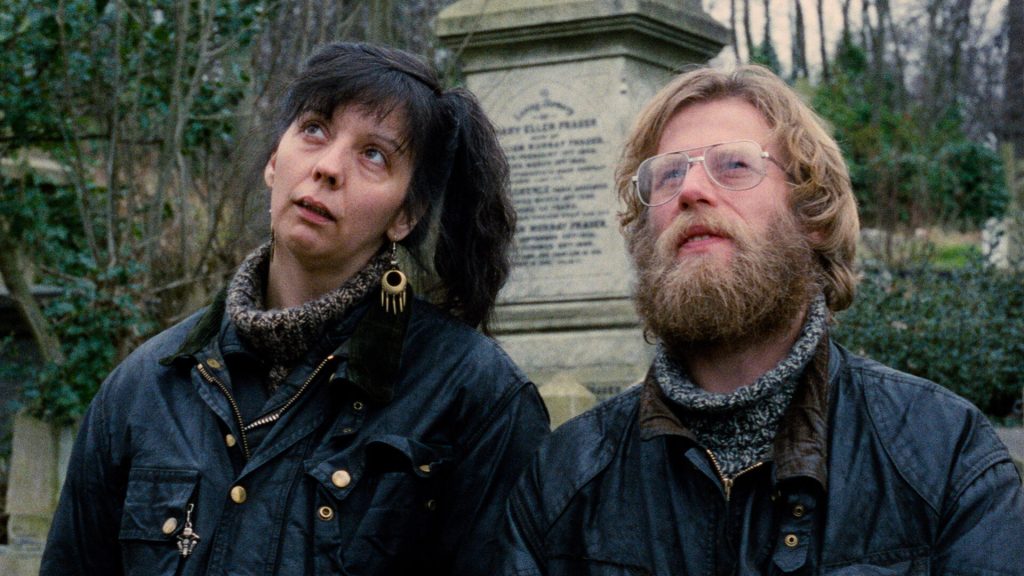
10. HIGH HOPES (1988)
In one of his most underrated works, Leigh blends satire and social realism to paint a portrait of Thatcher’s Britain through the eyes of an increasingly disillusioned Marxist couple, their hindering relatives, and snooty neighbours, serving to present the widening class divide and societal conflicts at the time.
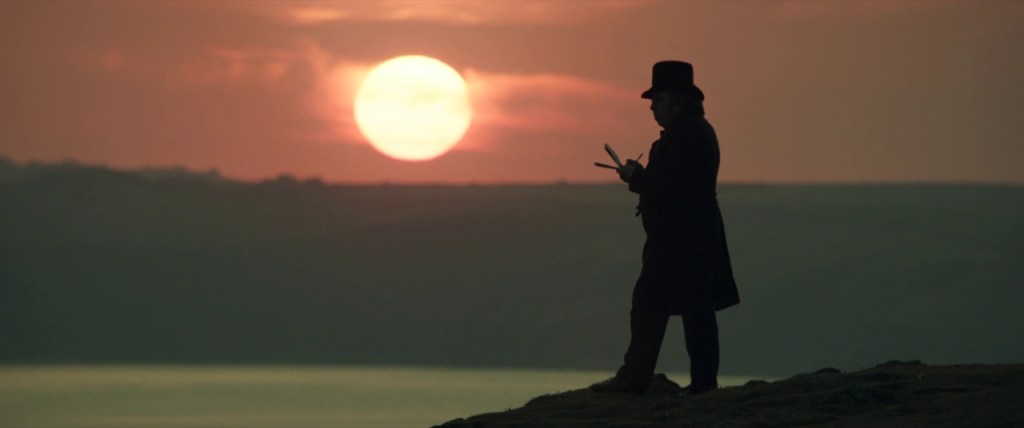
9. MR. TURNER (2014)
A rich biopic, with beautifully breath-taking cinematography by long-time Mike Leigh collaborator Dick Pope, that honours the work of J.M.W. Turner and depicts the final decades of the painters life through a powerhouse performance by Timothy Spall – which earned him the Cannes Best Actor Award in 2014.
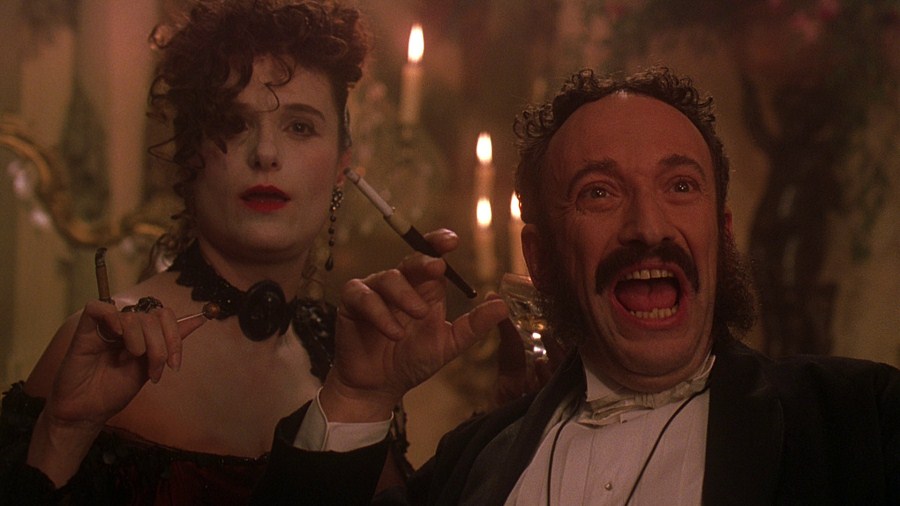
8. TOPSY TURVY (1999)
Another biopic, Leigh delves into the tensions and triumphs of Gilbert and Sullivan, exploring the famously mismatched duo’s onerous efforts to stage their opera, The Mikado, which would arguably be their most successful, in a celebratory exploration of the processes of artistic creation.
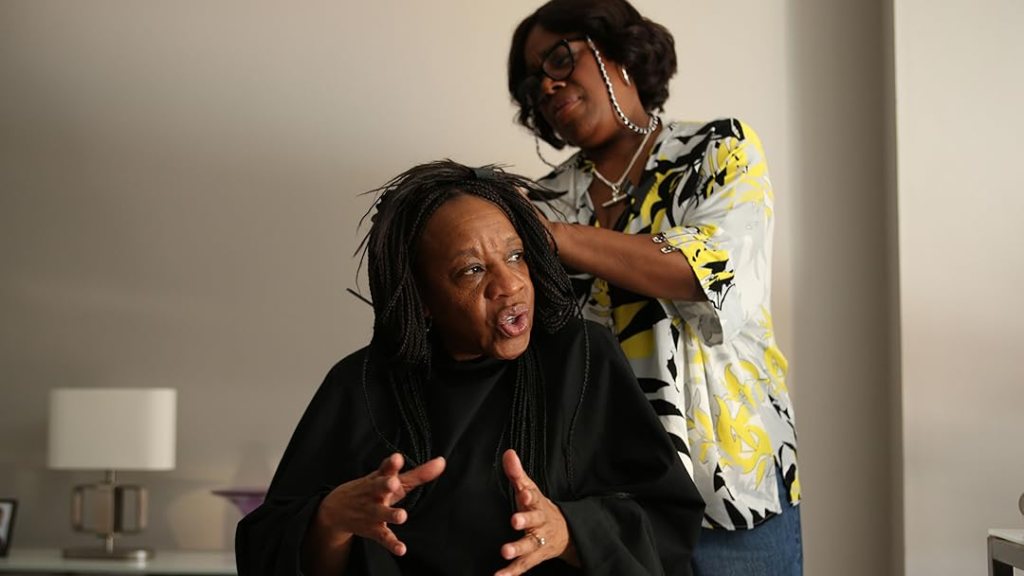
7. HARD TRUTHS (2024)
A powerful and advancing work, Leigh focuses primarily on the lives of an Afro-Caribbean British family in his latest film, presenting his usual social realism with a wonderful curmudgeonly lead performance by Marianne Jean-Baptiste, in what is one of his most emotionally complex films.
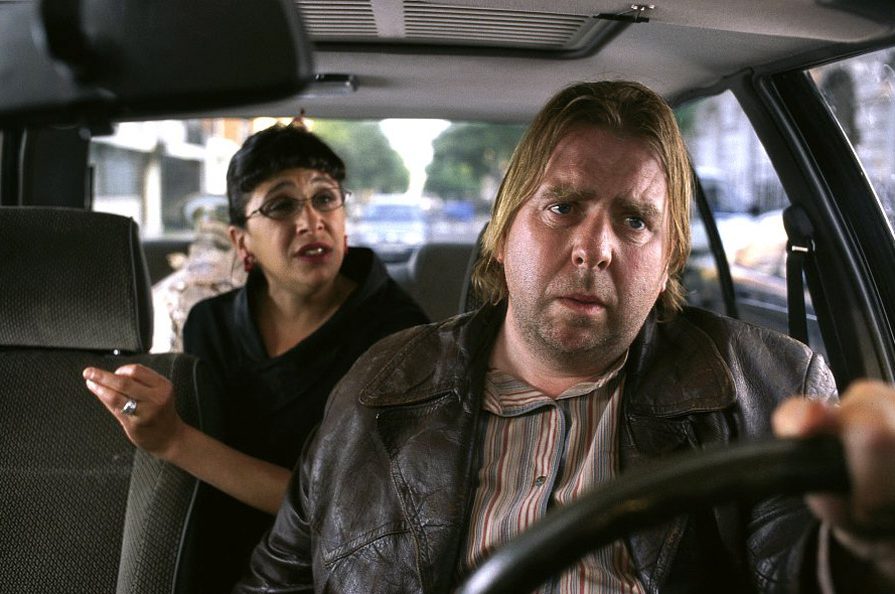
6. ALL OR NOTHING (2002)
A sombre and empathetic exploration of working-class life set against the backdrop of a bleak South London, conveying the daily struggles and fragility in a couple’s relationship through two incredibly raw performances from Leigh regulars, Timothy Spall and Lesley Manville.

5. HAPPY-GO-LUCKY (2008)
In what is certainly Leigh’s most visually vibrant and colourful film, matched by the equally radiant and eccentric lead performance by Sally Hawkins, he presents the multi-faceted importance of persistent optimism in furthering complex relationships, creating a lust for life, and against the rants of a very angry driving instructor.

4. NAKED (1993)
If Happy-Go-Lucky is Leigh’s most colourful and charming film, Naked is its antithesis. In his darkest and most graphic film, Leigh follows the shockingly misanthropic actions of David Thewlis as Johnny (a performance for which he won the Cannes Best Actor Award in 1993), as he spirals through the grim existential despair of nocturnal London, spewing uncomfortable truths unto those around him.
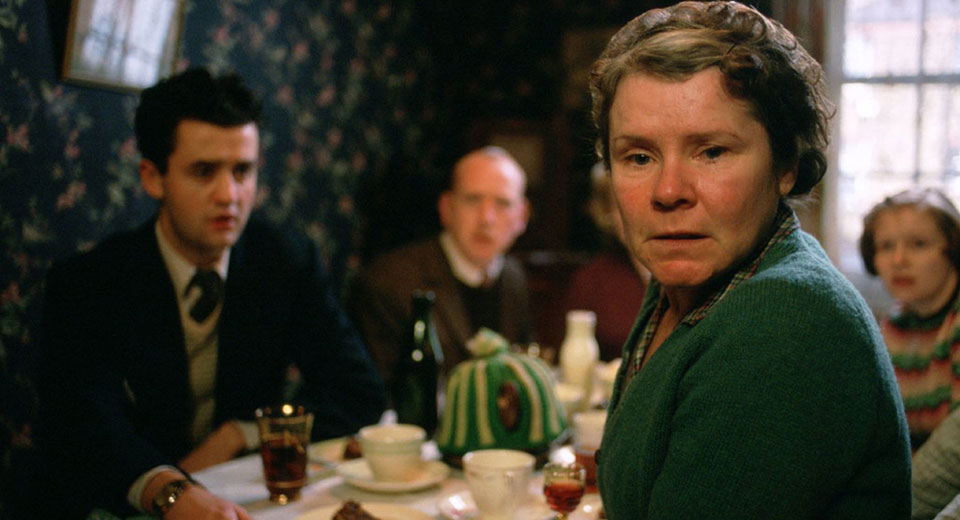
3. VERA DRAKE (2004)
A beautifully composed period drama from Leigh, in which he examines the still controversial topic of abortion, in intersection with morality, class, and law in 1950s London with his usual sense of complexity and compassion, directing the challenging issue through an incredibly nuanced performance from the great Imelda Staunton.

2. SECRETS & LIES (1996)
An outstanding work, Leigh’s Palme d’Or-winning magnum opus, Secrets & Lies, is his most widely recognised and celebrated for good reason. Leigh examines his commonly explored themes of familial tension, working-class life, and the complexities of societal and human connection, through his defining naturalistic style, channelled in the award-winning performances of its stars, Marianne Jean-Baptiste and Brenda Blethyn, and its supporting cast.

1. ANOTHER YEAR (2010)
Finally, my favourite film from Mike Leigh is Another Year. A masterful film that thrives in its comforting yet often harrowing social realism, challenging its audience’s conscience and accurately presenting the bittersweet lives of a family, their relatives, and friends, as they each get older and struggle with the burdens of life over the course of one year.
 MORTFILMS