
Trainspotting follows the pursuits of an unemployed, pessimistic, morally ambiguous, and heroin-addicted hero, Mark Renton, as he constantly tries, and then almost always subsequently fails, to give up drugs and reintegrate himself back into the banality of mainstream society. Director Danny Boyle and screenwriter John Hodge bring the depravity, strange humanism, and humour of Irvine Welsh’s 1993 book of the same name to the screen with outstanding style in their adaptation.
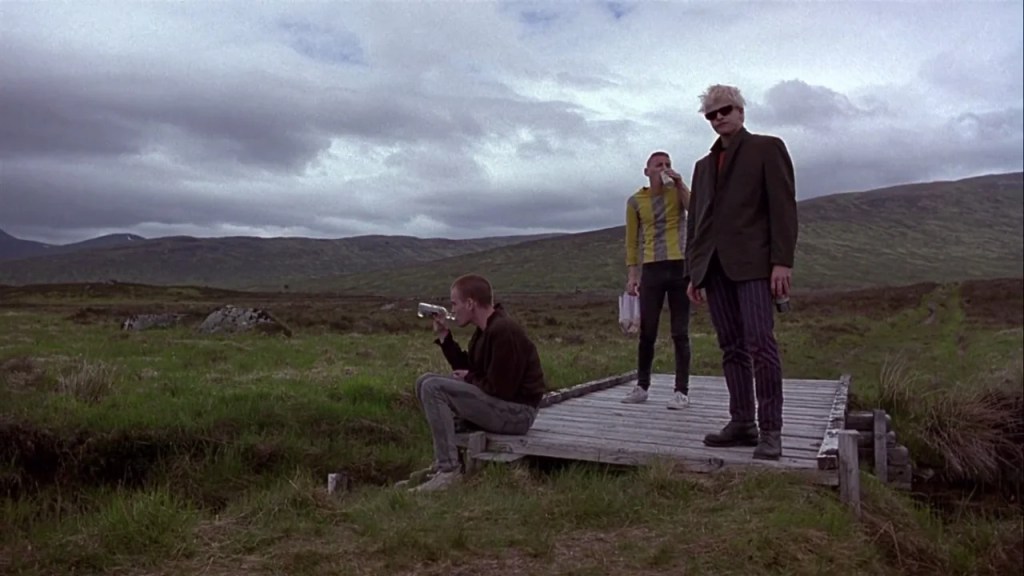
Alongside Renton, played by Ewan McGregor, are his ‘friends’: the amiable, bumbling and loveable Danny ‘Spud’ Murphy, the scheming womaniser Simon ‘Sick Boy’ Williamson, the unravelling straight man Tommy Lawerence Mackenzie, and the incredibly violent and psychopathic Francis Begbie. These supporting characters frequently engage in similarly destructive addictions and activities, often with Renton, serving to fuel and join his relapses back into heroin and his cynical outlook towards life.
The cultural impact of this film is immeasurable. The influence of the fashion, music and characters was so significant that it created a resurgence in buzz cuts and skinny jeans in the UK from people trying to imitate the style of Renton. Furthermore, the film ranked No. 10 on the BFI’s ‘Top 100 British Films’ list (being the only post-1975 film in that Top 10 as well). The style and edge of Trainspotting was, and still is, gratifyingly entertaining and valuable to British filmmaking, and therefore British culture. The film is also notorious for its depiction of drugs, with many critics arguing Boyle glorifies drug abuse and addiction in this film. Personally, I think the film is primarily honest about drugs. It gives you a high, sure, but it can come with awful consequences and harbour terrifying circumstances for addicts. The criticism that the film perhaps promotes drug use can be disproven many times throughout the film. The emotional despair as Dawn, Sick Boy’s baby, dies neglected in her cot, and her eventual haunting of Renton when he is forced to withdraw from heroin. Spud is imprisoned after shoplifting to fund his addictions. And Tommy falls ill and eventually dies from HIV, living his final days isolated, unhappy and weak, his death weighing heavily on the conscience of Renton, who initially fuelled his addiction. It is hard to say the film promotes drug use, though it may ‘stylise’ and depict it alongside fashion, humour and sex; it overwhelms the audience with negative, grimy and unwavering results.
It is hard to choose a favourite scene, character or even aspect of Trainspotting, because a lot of it is just so innovative and fresh. As the plot progresses from one hit to the next, a withdrawal to a relapse, and finally a crime to an escape, all with the sardonic (yet sometimes sincere) narration of Renton to supplement a fast pace and innovative visuals and editing, Trainspotting presents the simultaneous depravity and humanism of both the characters and the city of Leith itself. As Iggy Pop’s ‘Lust for Life’ plays out during the opening segment, I am instantly transported into Irvine Welsh’s narrative, eager to relive the antics of Renton, Sick Boy, Spud, Tommy and Begbie.
Thank you for reading.
 MORTFILMS